1 / 9
Home/Tours/A Huddle into the Great Game – Karakoram, Pamir & Hindukush

A Huddle into the Great Game – Karakoram, Pamir & Hindukush

Duration17 days
Group Size2-8 pax
SeasonMid May - October

Tour Overview

About This Tour

A 17-day overland journey through the no-man's land once contested by the British and Russian Empires — from Islamabad and Taxila over the Babusar Pass to Hunza, across the Khunjerab Pass to Taxkorgan and Silk Road Kashgar, over the Kulma Pass onto the Roof of the World in the Tajik Pamirs, down the Wakhan Corridor along the Oxus, and on to Dushanbe and Samarkand. A trip back into ancient and Great Game history, with spectacular mountain passes and small settlements unknown to the world.

Duration

17 days

Group Size

2-8 pax

Season

Mid May - October

Highlights

01

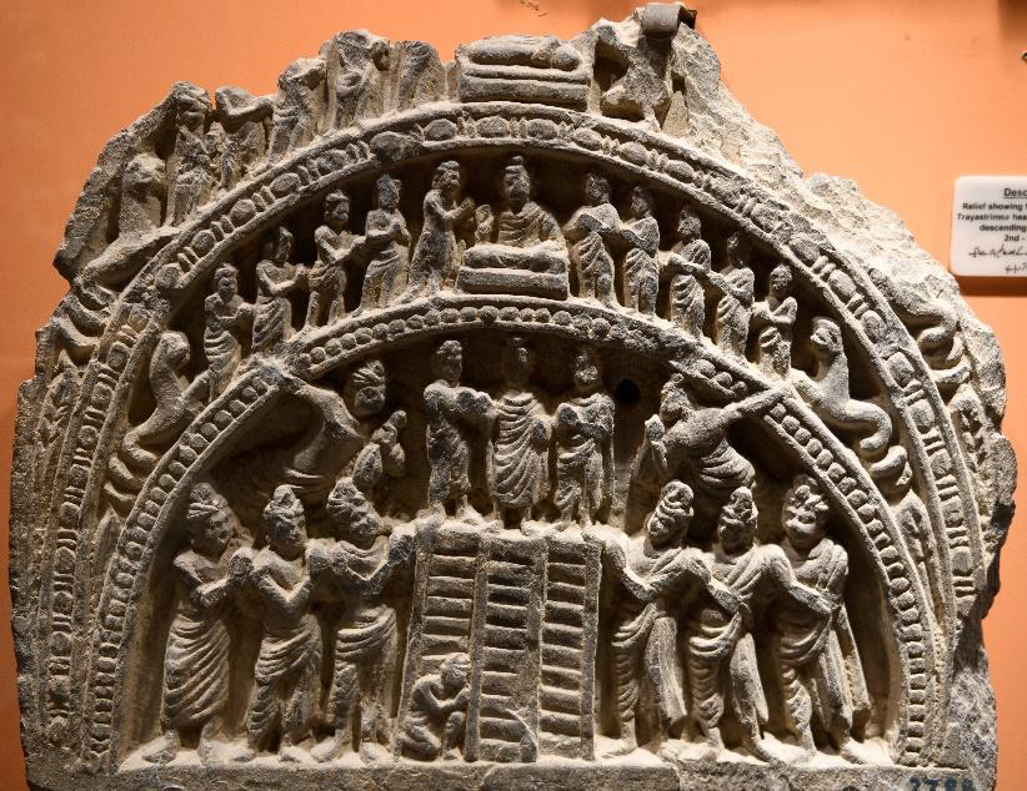
Taxila & Jaulian Buddhist monastery

02

Babusar Pass & Nanga Parbat views

03

Baltit & Altit Forts, Hunza

04

Khunjerab Pass (4693m) into China

05

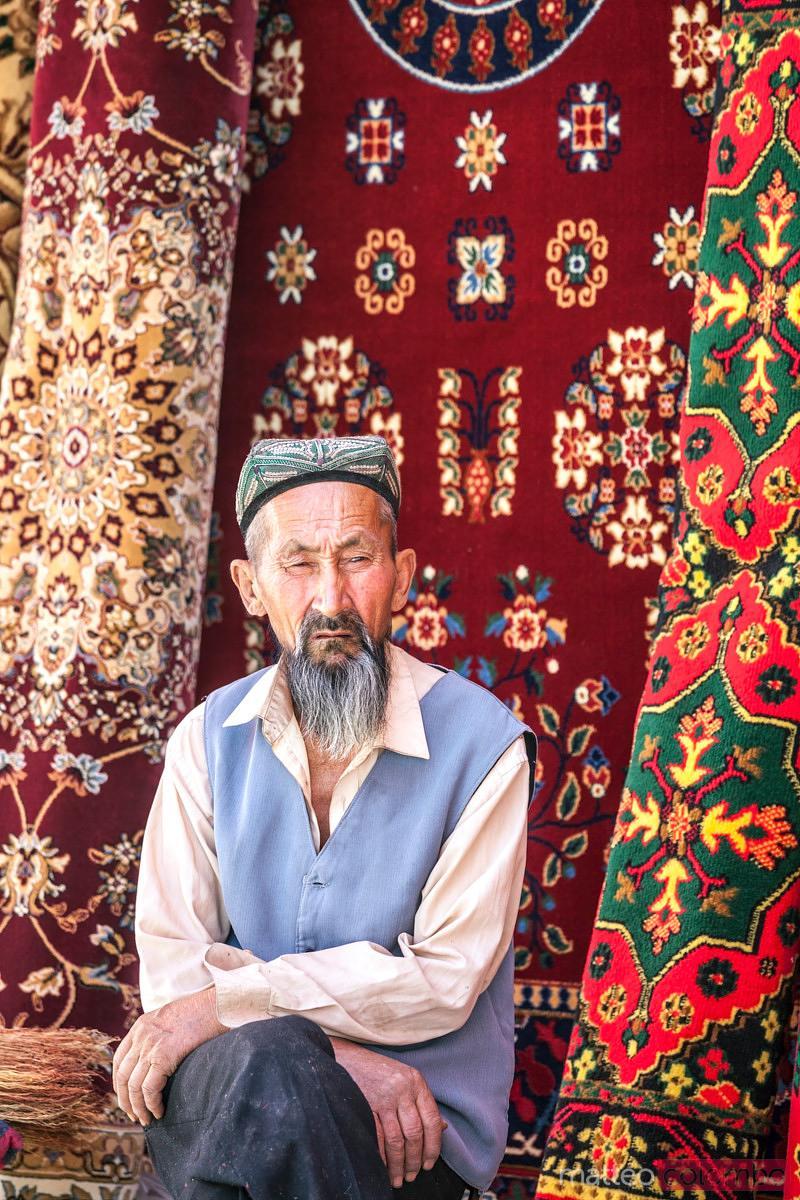
Kashgar Sunday Bazaar

06

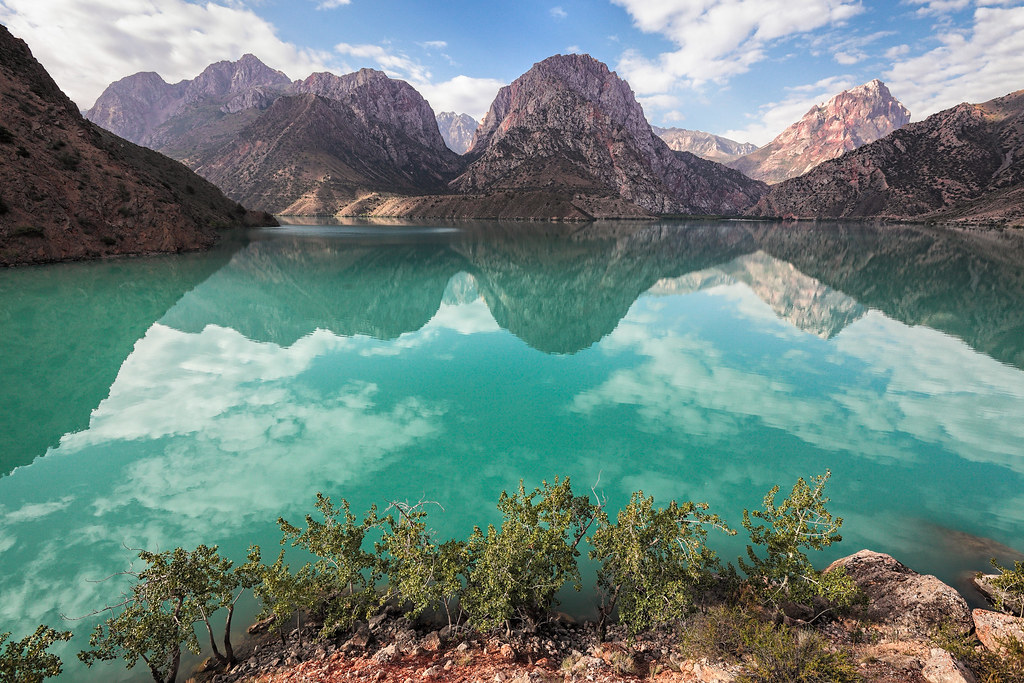
Kulma Pass & the Tajik Pamirs

07

Wakhan Corridor & Yamchun Fort

08

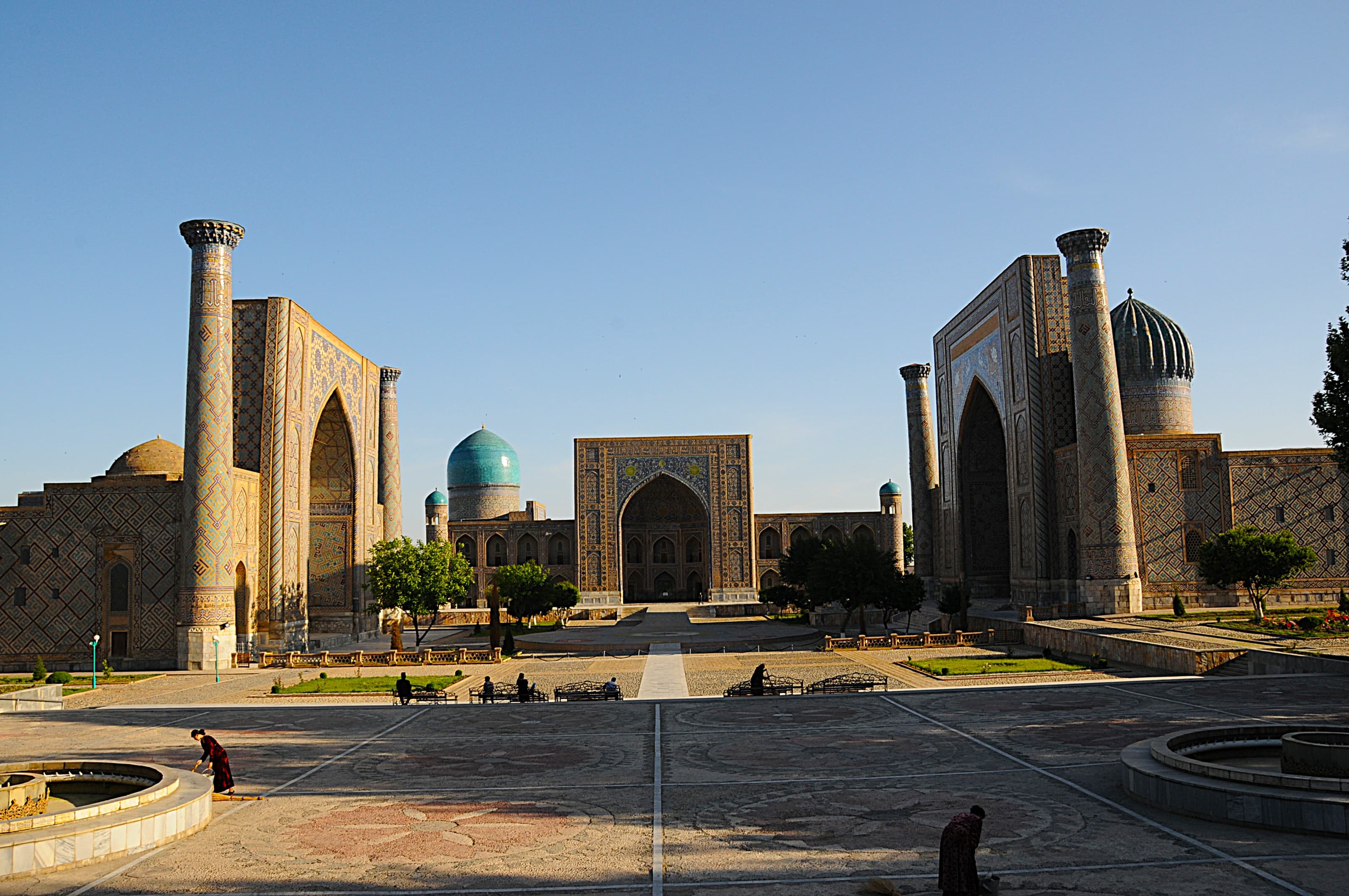
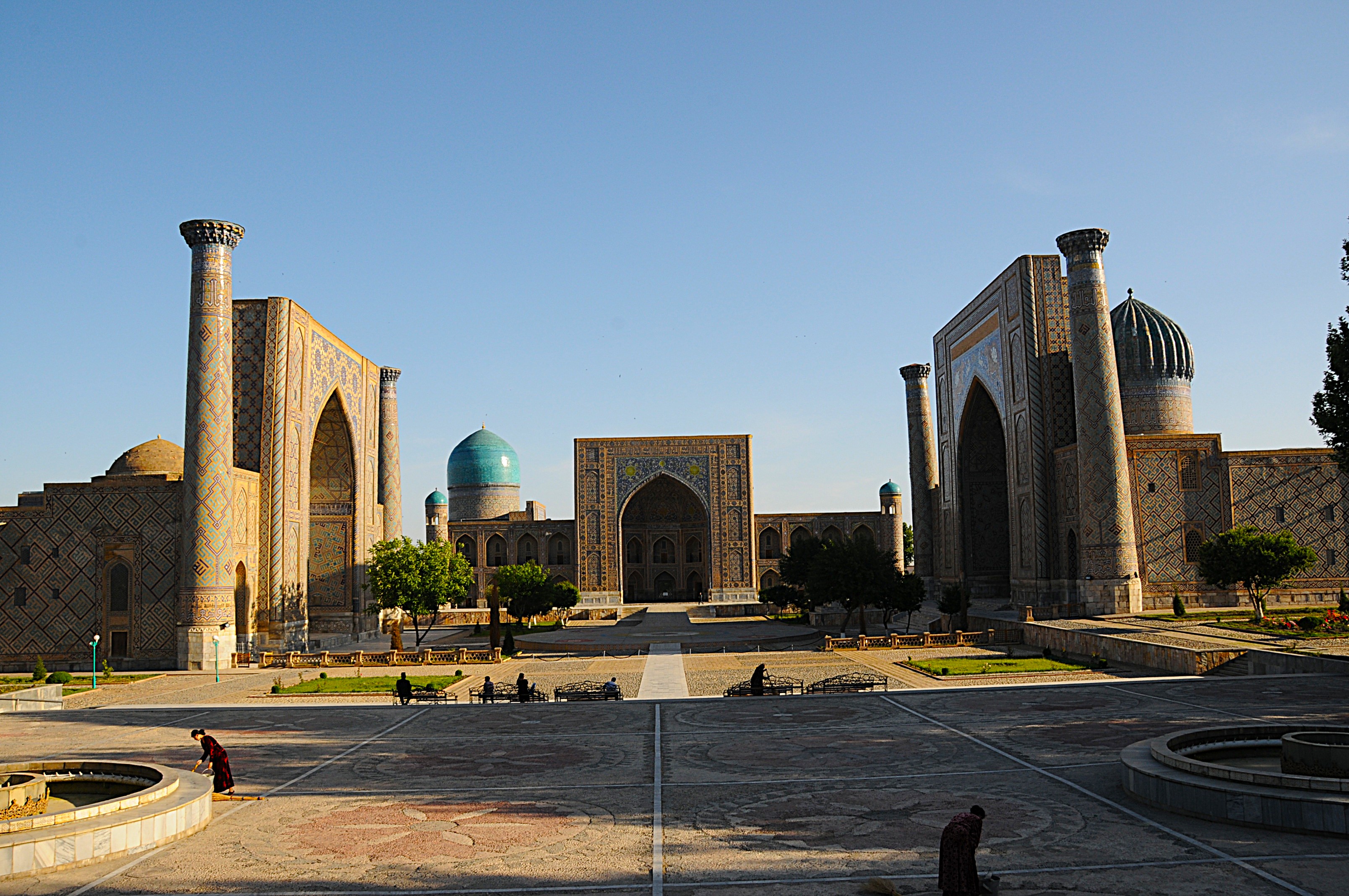
Registan Square, Samarkand

Gallery
A Huddle into the Great Game – Karakoram, Pamir & Hindukush image 1
A Huddle into the Great Game – Karakoram, Pamir & Hindukush image 2
A Huddle into the Great Game – Karakoram, Pamir & Hindukush image 3
A Huddle into the Great Game – Karakoram, Pamir & Hindukush image 4
A Huddle into the Great Game – Karakoram, Pamir & Hindukush image 5
A Huddle into the Great Game – Karakoram, Pamir & Hindukush image 6
A Huddle into the Great Game – Karakoram, Pamir & Hindukush image 7
A Huddle into the Great Game – Karakoram, Pamir & Hindukush image 8
A Huddle into the Great Game – Karakoram, Pamir & Hindukush image 9

Day by Day

Itinerary

Meeting on arrival, assistance and transfer to hotel (immediate rooms on arrival). Afternoon sightseeing tour of Islamabad — we visit Shakarparian viewpoint and the Museum of Folk Heritage, then drive past important government buildings and Saidpur Village, a remnant of old Islamabad, before visiting Faisal Mosque. We then drive uphill to the Margalla Hills. Welcome dinner at a local restaurant.

Day 1

Highlights

  • Airport meet & assist
  • Shakarparian viewpoint
  • Museum of Folk Heritage
  • Saidpur Village
  • Faisal Mosque
  • Margalla Hills
  • Welcome dinner

Note: This itinerary is subject to change based on weather conditions, group preferences, and local circumstances to ensure the best possible experience. We recommend discussing any specific requirements with our team.

What's Covered

What's Included

Included In Your Tour

  • ✓Professional English-speaking guides in Pakistan, China, Tajikistan and Uzbekistan
  • ✓Hotel accommodation (basic home stay in Langar)
  • ✓Welcome dinner in Islamabad and farewell dinner in Samarkand
  • ✓Transportation as per group size
  • ✓Border crossing assistance
  • ✓Sightseeing and entrance fees as per itinerary
  • ✓Bottled water

Not Included

  • —International flights
  • —Visa fees and permits
  • —Travel insurance
  • —Meals not mentioned in the itinerary
  • —Personal equipment
  • —Tips and gratuities

Have questions about what's included? Our team is here to help you understand every aspect of your adventure. Contact us for any specific requirements or customizations.

Ready to Travel

Ready To Book?

Join us on this incredible journey. Our expert team is ready to make your adventure unforgettable.

Duration

17 days

Group Size

2-8 pax

Season

Mid May - October

Get In Touch

Get In Touch

Our travel experts are available to answer your questions and help you plan the perfect adventure.

Call Us

+998 900 46 2807

Email Us

info@ahusaiyah.com

Office Hours

Monday – Saturday: 9AM – 6PM (UZT)
Sunday: Closed

Continue Exploring
Explore More Adventures

Caravan Countries
Pakistan

14 days·10-15 pax·April - October

Caravan Countries

Our tour is about retracing old paths of caravan countries, of traditional markets, places of interact with multi-cultural ethnic communities whose forefathers came as migrants, invading armies or tradesmen. This tour is an exceptional opportunity to discover, feel and capture the rich aroma of a diverse ethnicity in the lands where once east with west interacted. This was part of the great Indian trade route as old as the traditional Grand Silk Road. The caravans from the east or the west passed through various arteries of the Great Silk Route and one being the Pamir branch halted and rested in the southern parts of Sogdiana. While the camels rested and recuperated from arduous journeys, tradesmen sought opportunity to exchange goods and information of the unseen lands. This was the great spirit of the old travelers which kept these trading routes alive through centuries. Traveling north through Afghanistan was a passage through the territories of Bactria entering Sogdiana. After a rest of couple of weeks or a month caravans were once again on the trail to enter into the lands of golden cities of the Great Silk Road. Indian Trade route was already established since 3rd or 4th century BC, carrying spices, fabrics, gems, ivory, sandal wood articles and even fodder blocks for the camels were mainly traded while in return they carried jade, weapons(swords) asafetida, lapiz lazuli stones and horses. This trade route was used by the pilgrims of 4th, 5th and 7th century who came from China while some Indian sages travelled to Central Asia and into China along the great deserts onto Silk Road cities. This activity was also an exchange of inter-faith harmony be it Zoroastrian, Hinduism, Buddhist or Nestorian Christians but also Manicheans traveled as traders or preachers. By 1st century BC Buddhism was already in vogue in northern Afghanistan and was greatly adopted faith of the region. However when Kushana empire established its foot hold, they adopted Buddhist way of life though narrowly in conflict with ancient Zoroastrianism, successfully propagated its philosophy into Central Asia, along the Great Silk Road into the desert communities of Central China. This evidence is clear from the style and form of Buddhist sculpture and artefacts found in Central Asian and western Chinese cities and monasteries. The madrassah plan found in Central Asia is basically, copy of a Buddhist monastery though Buddhist faith has long ceased since 9th, 10th centuries in these parts. In our itinerary we shall be seeing, traditional bazaars and the multi-ethnic population. Though those days are gone but the spirit of Silk Road cities is still vibrant. Thanks to some places are still holding on to traditional way of life, though many cities have undergone drastic changes. The countryside remains the same the scenic panorama remains the same and to some extent the spirit of the olden days struggles to find its face.

Karakoram
Wakhan corridor
Bamiyan Buddhas
View Itinerary