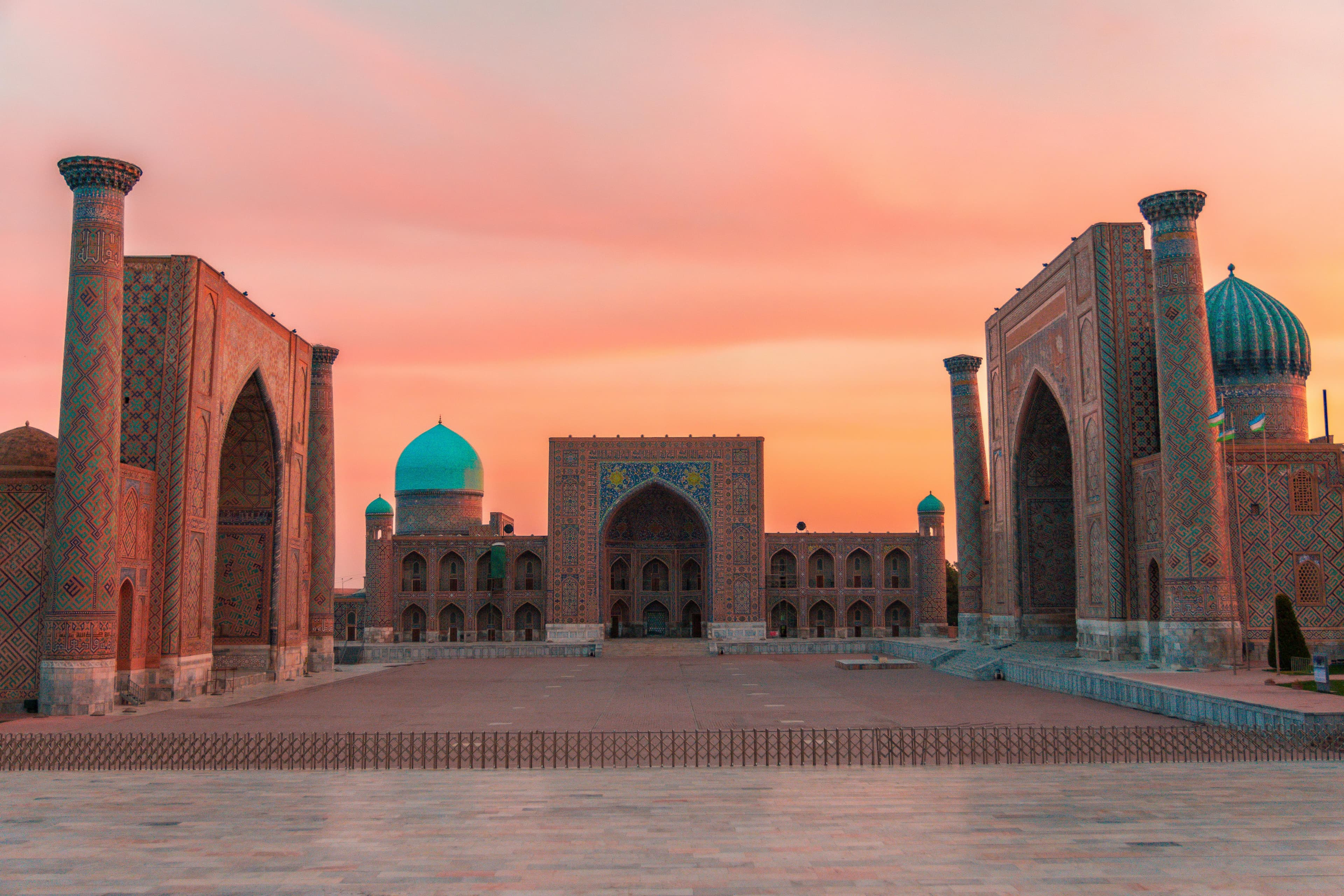
Uzbekistan

Heart of the Silk Road

Uzbekistan

CapitalTashkent
LanguageUzbek
CurrencyUzbekistani Som
Best SeasonApril – October
View Tours

About Uzbekistan

The Golden Road to Samarkand

The Republic of Uzbekistan sits at the very center of Central Asia, forming the crossroads where every branch of the Silk Road once converged. In the north it borders Kazakhstan, Kyrgyzstan lies to the east, Tajikistan to the southeast, a narrow corridor touches Afghanistan in the south, and Turkmenistan runs along the western border. The Uzbek people speak a Turkic language and trace their cities back more than two and a half thousand years.

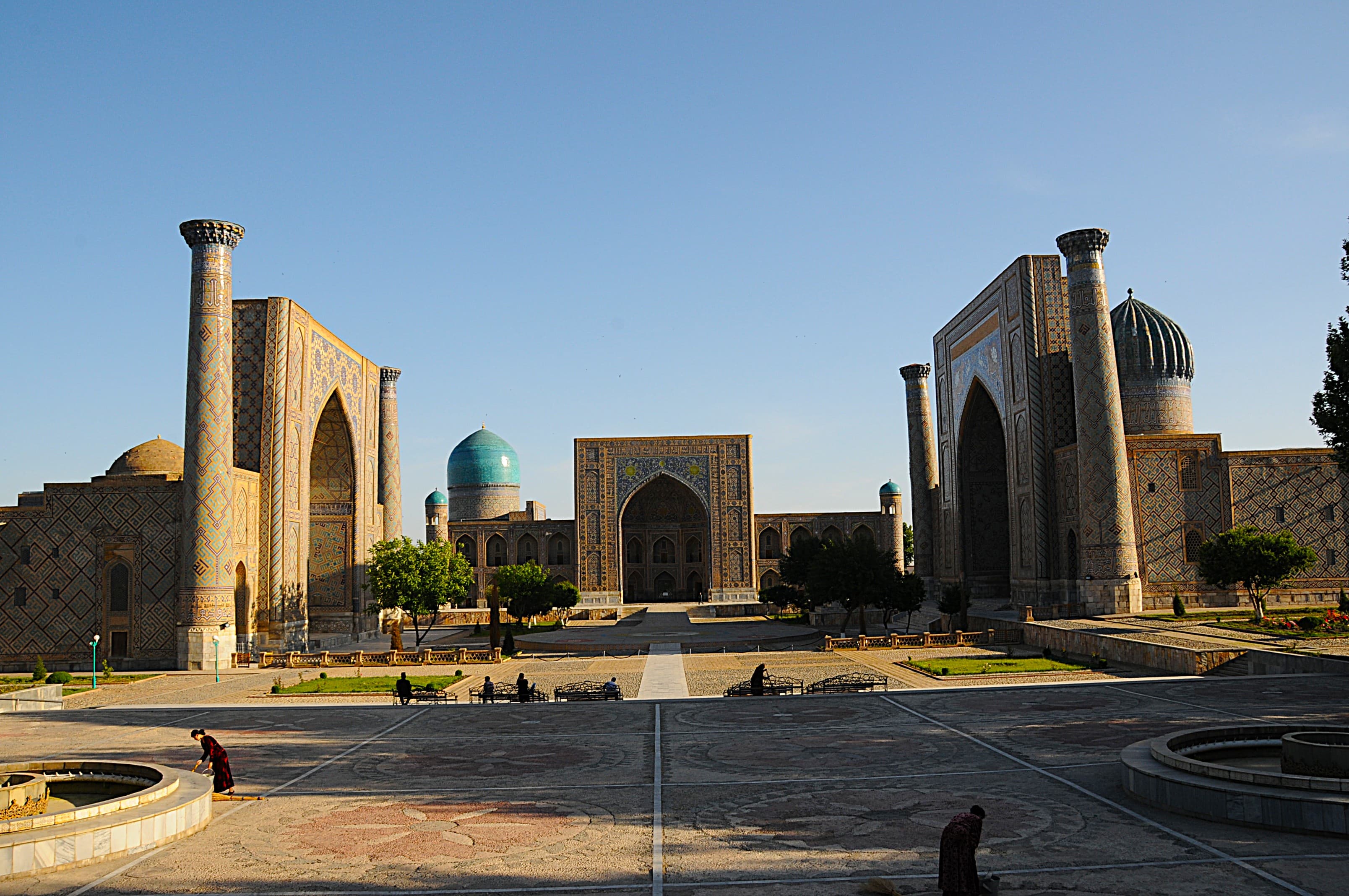
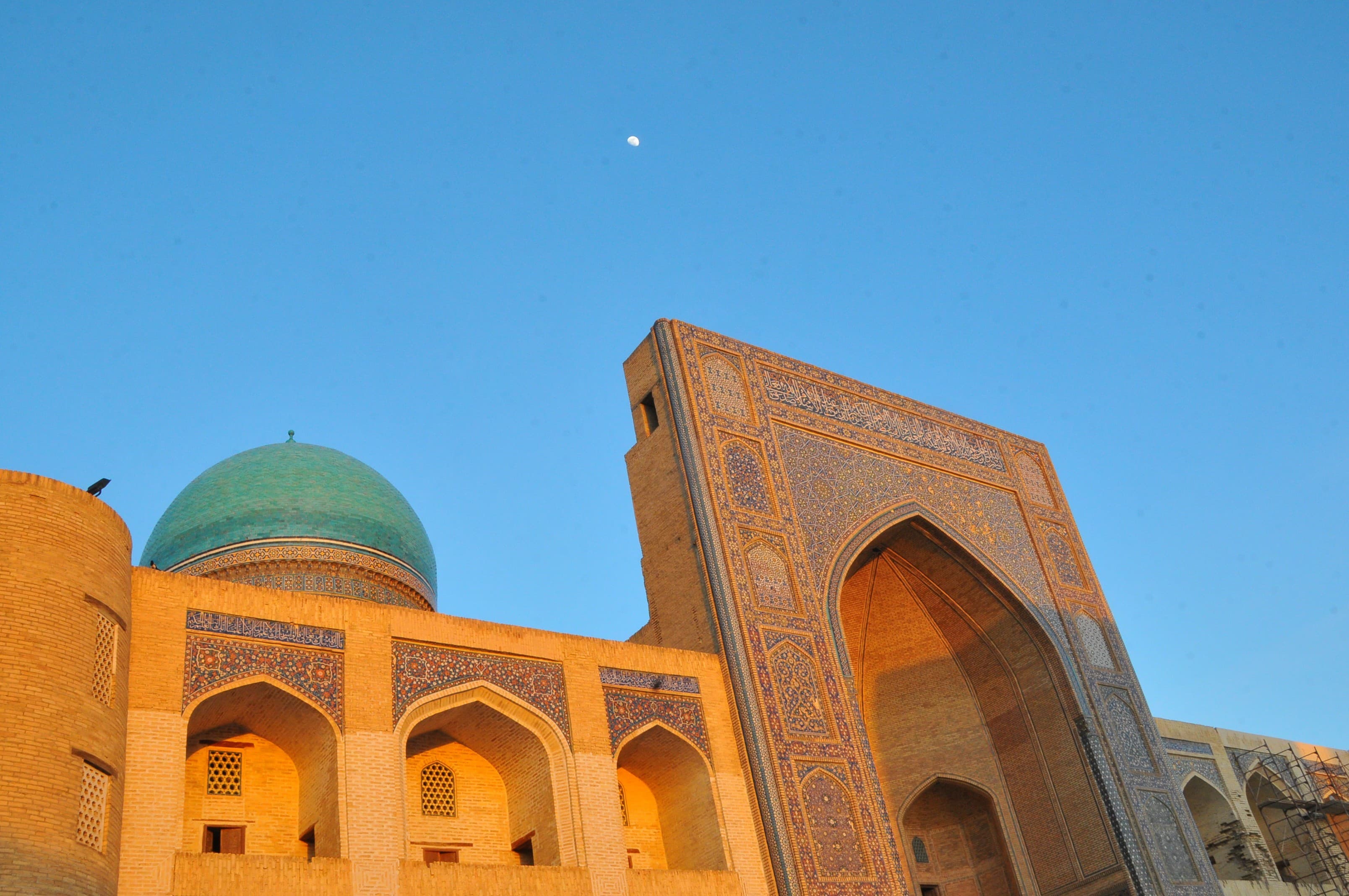
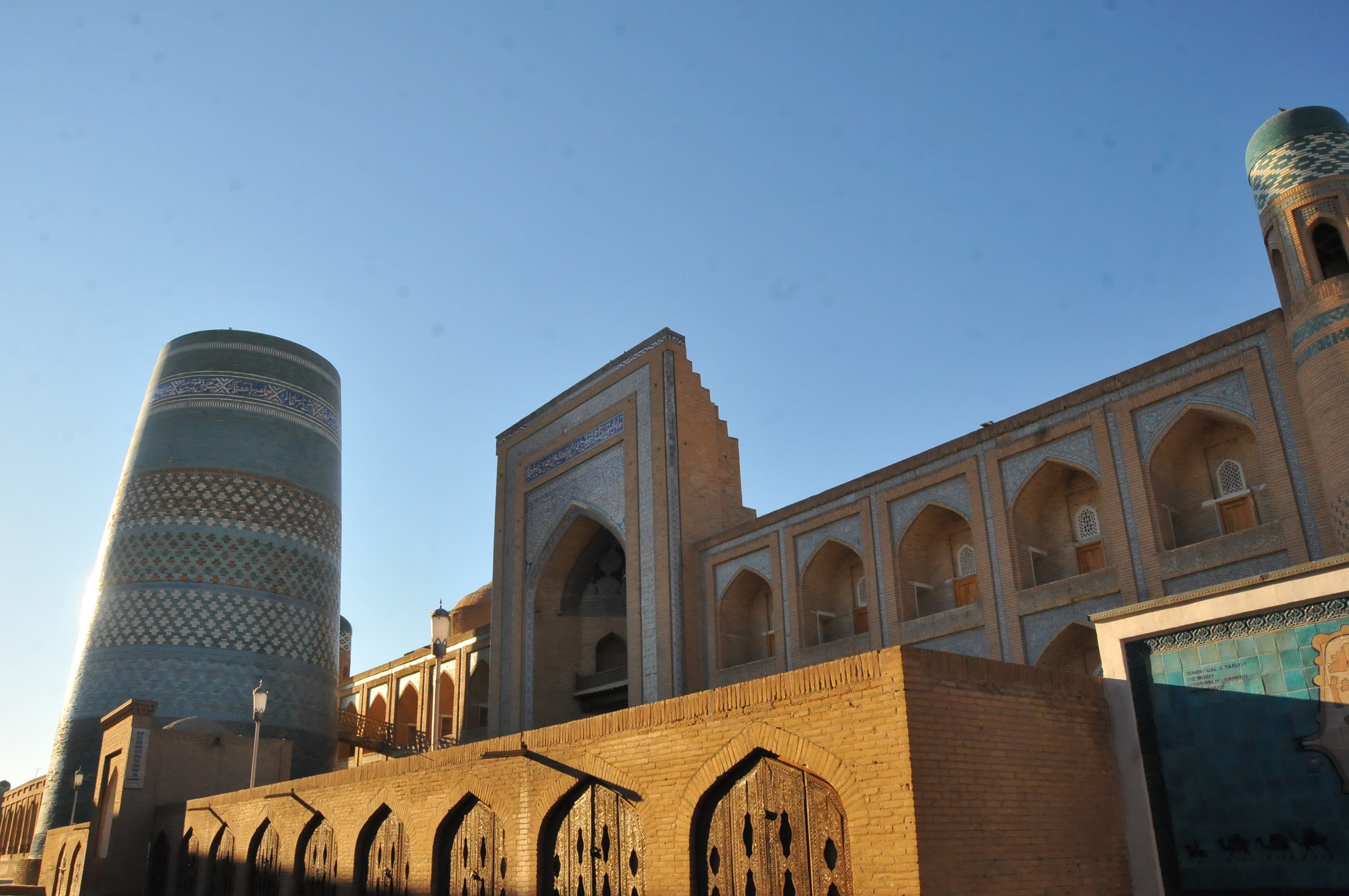
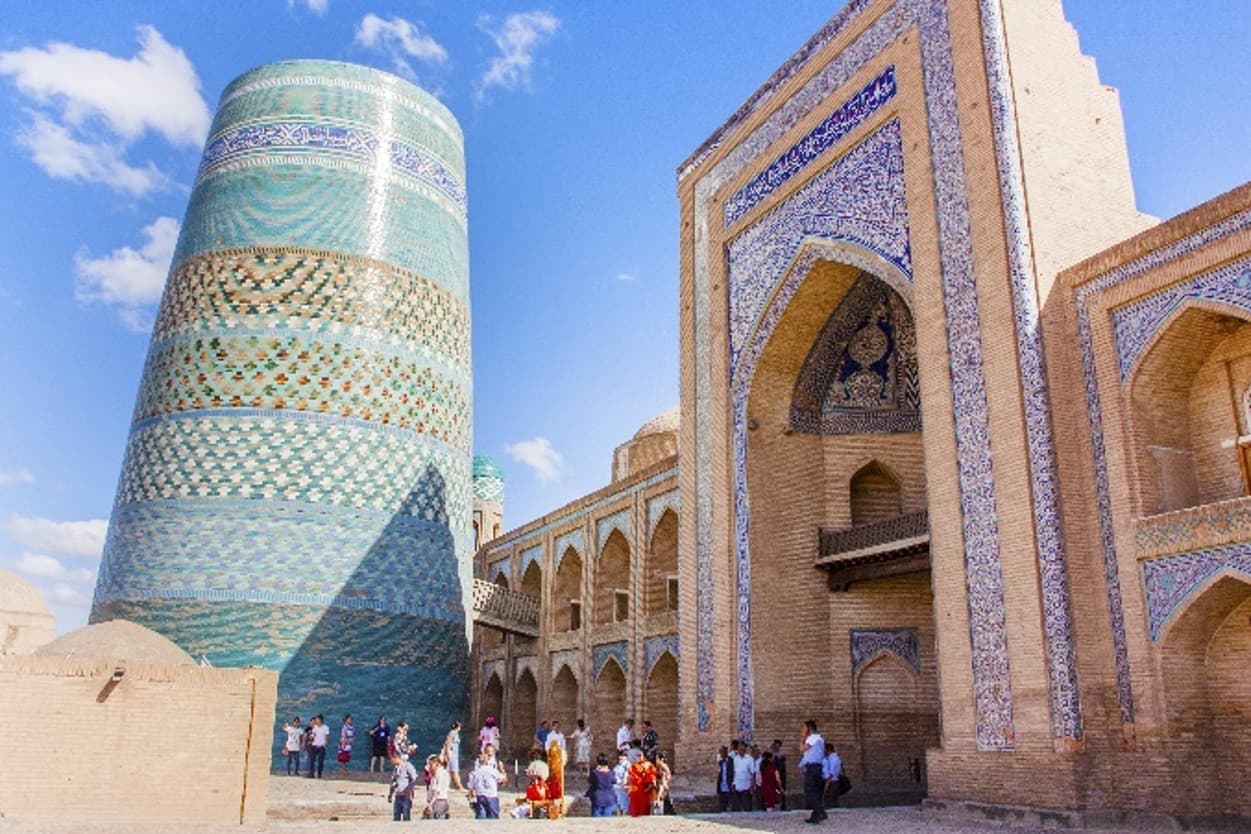
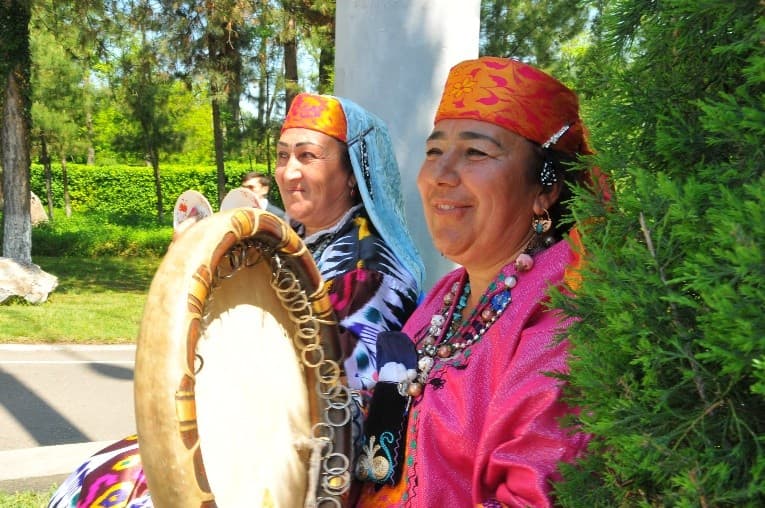
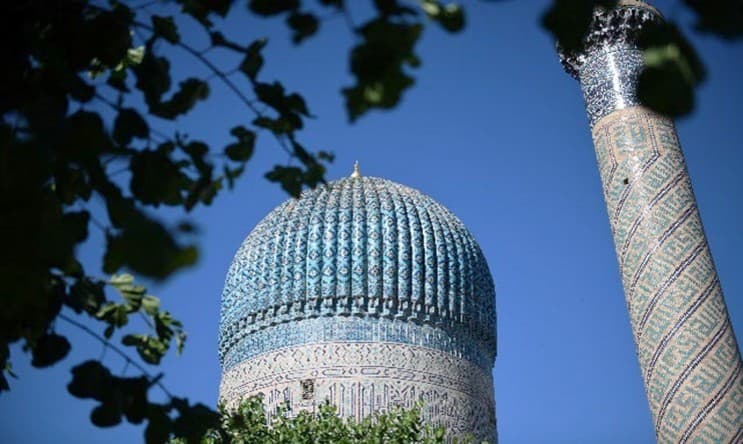
Samarkand, Bukhara and Khiva remain living museums of Timurid architecture — turquoise domes, monumental madrassahs and caravanserais that once sheltered merchants trading silk, spices and lapis lazuli between China and the Mediterranean. Beyond the mosaic-covered squares, Uzbekistan offers bustling bazaars, centuries-old handicraft workshops, and a warmth of hospitality that has welcomed travelers along these routes for generations.
Uzbekistan landscape
Uzbekistan 1
Uzbekistan 2
Uzbekistan 3
Uzbekistan 4

Curated Journeys

Tours in Uzbekistan

Caravan Countries
Pakistan

14 days·10-15 pax·April - October

Caravan Countries

Our tour is about retracing old paths of caravan countries, of traditional markets, places of interact with multi-cultural ethnic communities whose forefathers came as migrants, invading armies or tradesmen. This tour is an exceptional opportunity to discover, feel and capture the rich aroma of a diverse ethnicity in the lands where once east with west interacted. This was part of the great Indian trade route as old as the traditional Grand Silk Road. The caravans from the east or the west passed through various arteries of the Great Silk Route and one being the Pamir branch halted and rested in the southern parts of Sogdiana. While the camels rested and recuperated from arduous journeys, tradesmen sought opportunity to exchange goods and information of the unseen lands. This was the great spirit of the old travelers which kept these trading routes alive through centuries. Traveling north through Afghanistan was a passage through the territories of Bactria entering Sogdiana. After a rest of couple of weeks or a month caravans were once again on the trail to enter into the lands of golden cities of the Great Silk Road. Indian Trade route was already established since 3rd or 4th century BC, carrying spices, fabrics, gems, ivory, sandal wood articles and even fodder blocks for the camels were mainly traded while in return they carried jade, weapons(swords) asafetida, lapiz lazuli stones and horses. This trade route was used by the pilgrims of 4th, 5th and 7th century who came from China while some Indian sages travelled to Central Asia and into China along the great deserts onto Silk Road cities. This activity was also an exchange of inter-faith harmony be it Zoroastrian, Hinduism, Buddhist or Nestorian Christians but also Manicheans traveled as traders or preachers. By 1st century BC Buddhism was already in vogue in northern Afghanistan and was greatly adopted faith of the region. However when Kushana empire established its foot hold, they adopted Buddhist way of life though narrowly in conflict with ancient Zoroastrianism, successfully propagated its philosophy into Central Asia, along the Great Silk Road into the desert communities of Central China. This evidence is clear from the style and form of Buddhist sculpture and artefacts found in Central Asian and western Chinese cities and monasteries. The madrassah plan found in Central Asia is basically, copy of a Buddhist monastery though Buddhist faith has long ceased since 9th, 10th centuries in these parts. In our itinerary we shall be seeing, traditional bazaars and the multi-ethnic population. Though those days are gone but the spirit of Silk Road cities is still vibrant. Thanks to some places are still holding on to traditional way of life, though many cities have undergone drastic changes. The countryside remains the same the scenic panorama remains the same and to some extent the spirit of the olden days struggles to find its face.

Karakoram
Wakhan corridor
Bamiyan Buddhas
View Itinerary